The Rise of Pickleball: Exploring its Growing Popularity and Cultural Impact
AP
Pickleball, a sport that combines elements of tennis, badminton, and ping-pong, has taken the world by storm. In recent years, it has transformed from a little-known pastime into a widely popular activity, attracting players of all ages and skill levels. This surge in popularity has prompted a closer look at the factors driving its growth and the cultural impact it has had.

The Origins and Evolution of Pickleball
Pickleball was invented in 1965 on Bainbridge Island, Washington, by three dads looking to entertain their children during the summer. Initially played with makeshift equipment, the game quickly evolved, adopting official rules and standardized gear. Its simplicity and accessibility have been key in its evolution from a backyard game to an internationally recognized sport.
Why Pickleball Appeals to Everyone
One of pickleball's most appealing aspects is its accessibility. The game is easy to learn and can be played by people of all ages and fitness levels. The courts are smaller than tennis courts, making it less physically demanding, while the social nature of the game encourages community building. These factors contribute to its widespread appeal.
Growth and Popularity Across the Globe
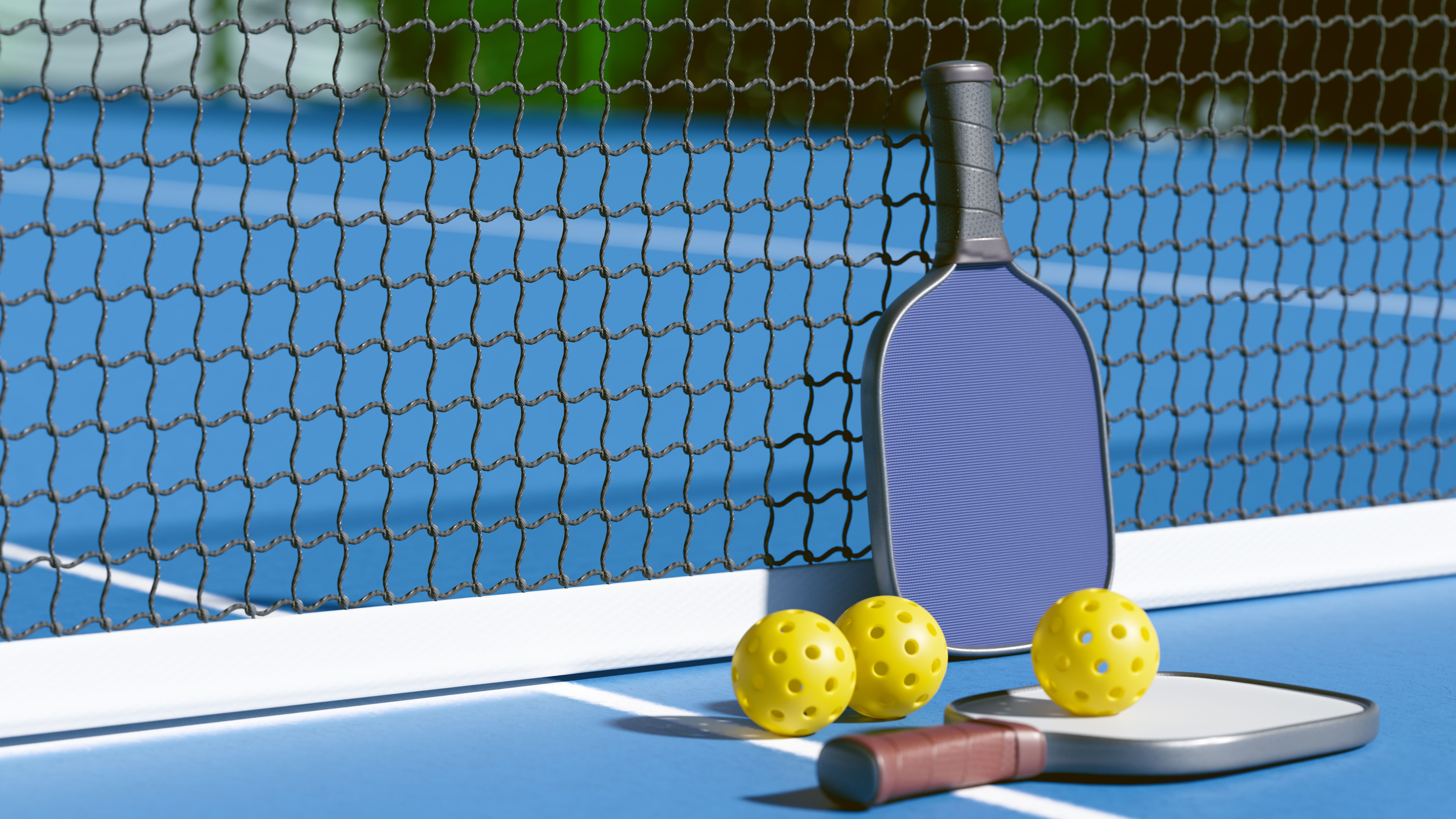
Pickleball's popularity has exploded in recent years, with millions of players worldwide. According to the Sports & Fitness Industry Association, it has been one of the fastest-growing sports in the United States. This growth is not confined to North America; countries across Europe and Asia are also embracing the sport, with new clubs and tournaments emerging.
The Role of Social Media and Technology
Social media and technology have played significant roles in promoting pickleball. Enthusiasts share videos and tips, inspiring others to take up the game. Online platforms also facilitate virtual tournaments and community engagement, helping players connect and compete globally.

Pickleball’s Cultural Impact
The rise of pickleball has not only affected sports enthusiasts but also influenced culture and lifestyle. It has become a staple in retirement communities, providing a fun and engaging way for seniors to stay active. Additionally, it has fostered a sense of community and camaraderie among players of all ages.
Future Prospects and Challenges
As pickleball continues to grow, it faces both opportunities and challenges. The sport's increasing popularity may lead to more professional tournaments and media coverage. However, it also faces challenges such as the need for more facilities and the balancing act of maintaining its casual, inclusive nature while accommodating competitive play.
In conclusion, pickleball's rise in popularity is a testament to its universal appeal and cultural significance. It is more than just a sport; it is a social phenomenon that continues to bring people together, fostering community and healthy living.